about
What's in a Name?
Throughout her design, construction, short life and particularly following her loss; Titanic has become known as many things to many people.
Reflecting both her immense size, safety, and in hindsight our own hubris, she became famously known as the “Unsinkable Titanic”. Although it’s unlikely that White Star Line ever officially claimed her to be unsinkable, they were certainly in no hurry to correct people.
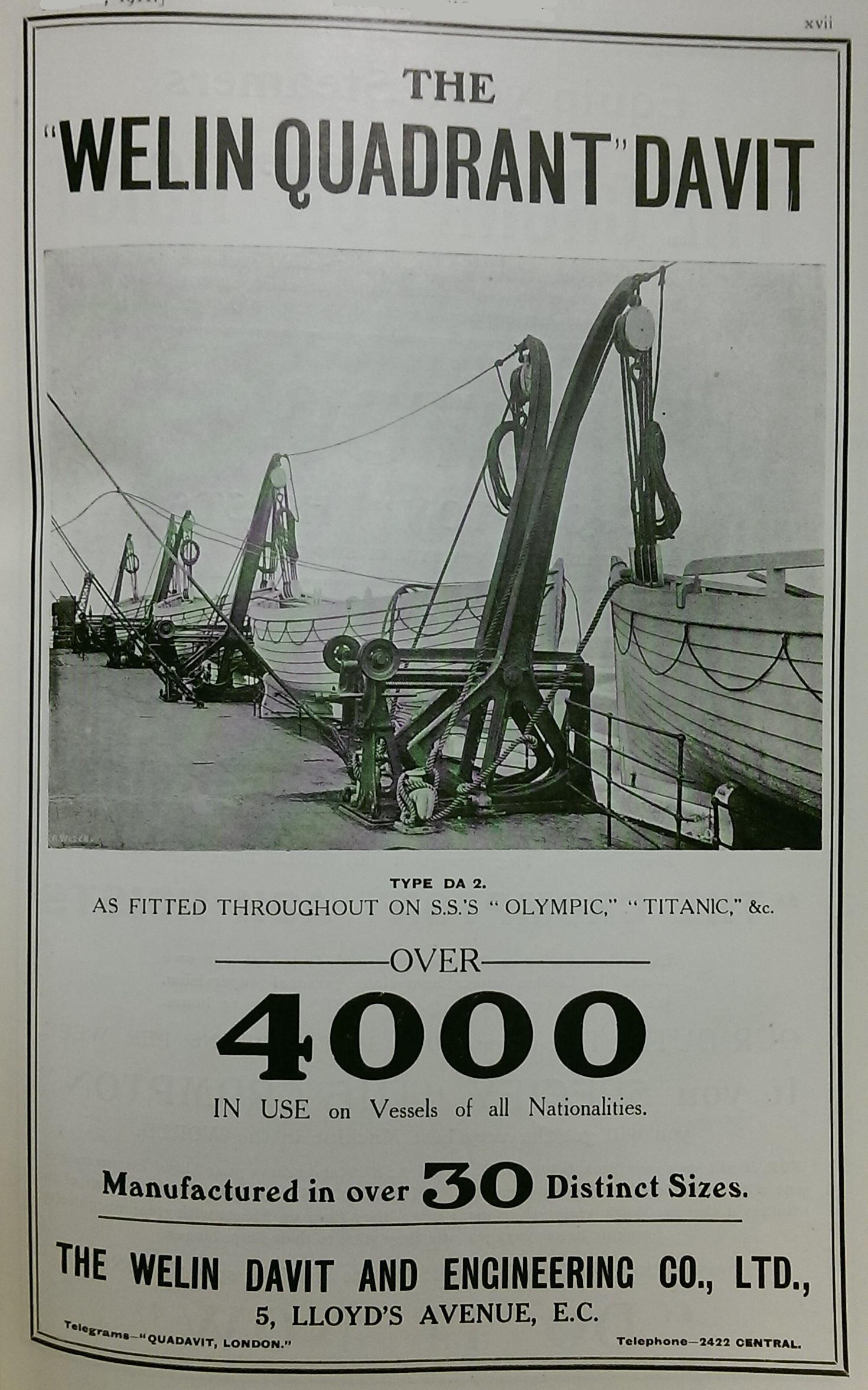
Companies wanted in on the act too, and went to great lengths to associate their brand with the Olympic Class liners and their names.
For her First Class passengers, she was a floating palace. To her Third Class, an immigrant ship that was taking them to a new beginning in the New World. To her crew, she was a modern technical marvel; a demonstration that humanity was in fact able to conquer nature.
To history, she represented one of the very last great expressions of the confident Edwardian era. Just over two years later, Europe would be consumed by the First World War; and tragedies on an unimaginable scale became almost normal.
The Board of Trade gave her the official number of 131428; a number that resonates with exactly no one. A ship. Just another ship. More romantically, but almost certainly not during her life, she would be known as “The Ship of Dreams”, particularly in her media and film portrayals such as James Cameron’s 1997 Titanic.
401
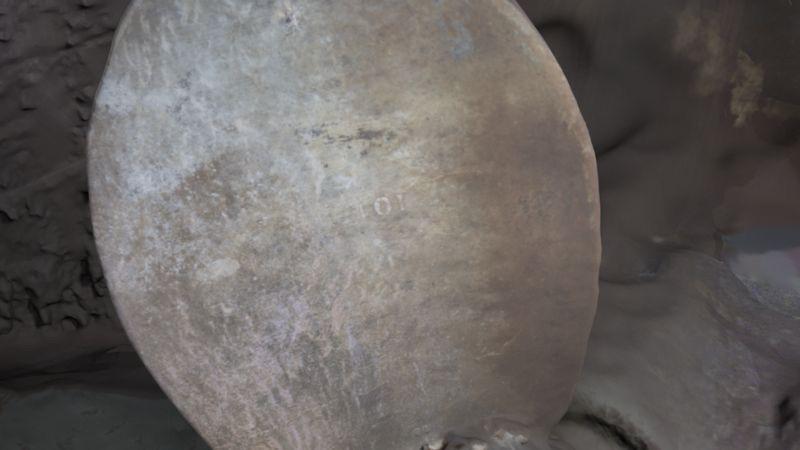
To the 15,000 men who designed and built her in Belfast, from the moment her keel was laid in March 1909 until she departed for Southampton in April 1912, she was ‘401’; her Harland and Wolff Hull Number. A number that can still be seen stamped on her propeller blades two miles below the North Atlantic today.
MGY
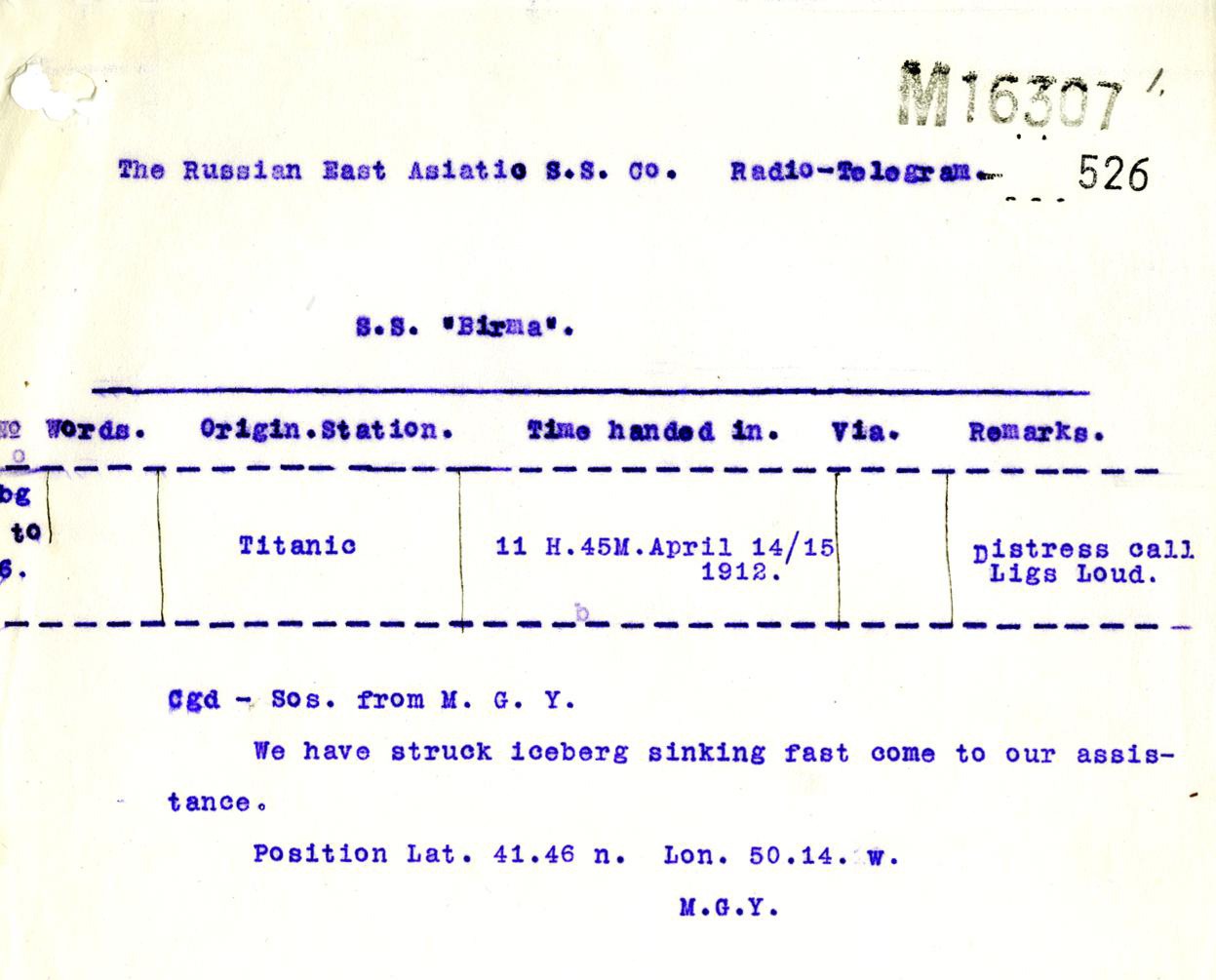
Throughout her maiden voyage, Titanic spoke to the world through her Marconi Wireless, carrying the callsign “MGY”. From the congratulations from fellow vessels crossing the North Atlantic, to routine messages from passengers reassuring loved ones of an early arrival in New York, to the ice warnings, and finally the desperate distress signals transmitted into the freezing Atlantic night on 15 April 1912, she was “MGY”, and remained so until the end.
Why 401-MGY?
For this site, I chose the name 401-MGY. For me, that represents an expression of Titanic’s whole life. From the first steel laid in Belfast, to her fading wireless silence as her lights and power finally failed at 2:17am on 15 April 1912. It’s Titanic’s whole life, represented not by grandiose descriptions and puff, but by how she was known to the people who built and ran her.